
Why Geotechnical Engineering Is Critical Before Starting Any Construction Project
Every successful construction project begins with a thorough understanding of the ground beneath the proposed structure. Soil conditions, groundwater levels, and subsurface stability can influence everything from foundation design to construction costs and long-term building performance. Geotechnical engineering helps project owners and construction teams identify potential site challenges before work begins. By evaluating these conditions early, developers can make informed decisions, reduce risks, and establish a stronger foundation for project success.
Understanding Soil Conditions and Site Stability
Soil characteristics vary significantly from one property to another, even within the same development. Some soils provide reliable support for heavy structures, while others may shift, compress, or retain excessive moisture. Without a proper evaluation, these differences can create challenges that affect a building's stability and durability.
Geotechnical engineering involves investigating and evaluating subsurface conditions to determine how the ground may respond to construction activities. Soil testing can help identify properties such as moisture content, density, composition, and strength. These findings give engineers valuable information about whether the existing ground can support the proposed structure or requires additional preparation.
For example, loose or compressible soil may settle under the weight of a building, potentially causing uneven floors, foundation movement, or cracks in structural components. Identifying these conditions before construction allows the project team to consider appropriate solutions rather than responding to unexpected problems after the structure is built.
Designing Foundations for Reliable Support
A foundation transfers a structure's weight to the ground, making its design essential to the building's long-term performance. However, foundation requirements depend on several factors, including the structure's size, expected loads, and the characteristics of the underlying soil.
Geotechnical engineering provides information that helps engineers evaluate suitable foundation options. Depending on the site conditions, a project may require conventional shallow foundations, deeper foundation systems, or improvements to the supporting soil. The appropriate approach depends on the results of the investigation and the project's specific engineering requirements.
A foundation designed without sufficient information about subsurface conditions may experience excessive settlement or uneven movement. These problems can lead to costly repairs, disrupt building operations, and compromise the structure's serviceability.
Evaluating the site before finalizing foundation plans helps project teams make design decisions based on actual ground conditions. It also improves coordination between geotechnical professionals, structural engineers, architects, and contractors.
Identifying Risks Before Construction Begins
Construction sites can contain hidden challenges that are difficult to recognize through a visual inspection alone. Variable soil layers, high groundwater levels, weak bearing materials, and other subsurface conditions can complicate excavation and foundation work.
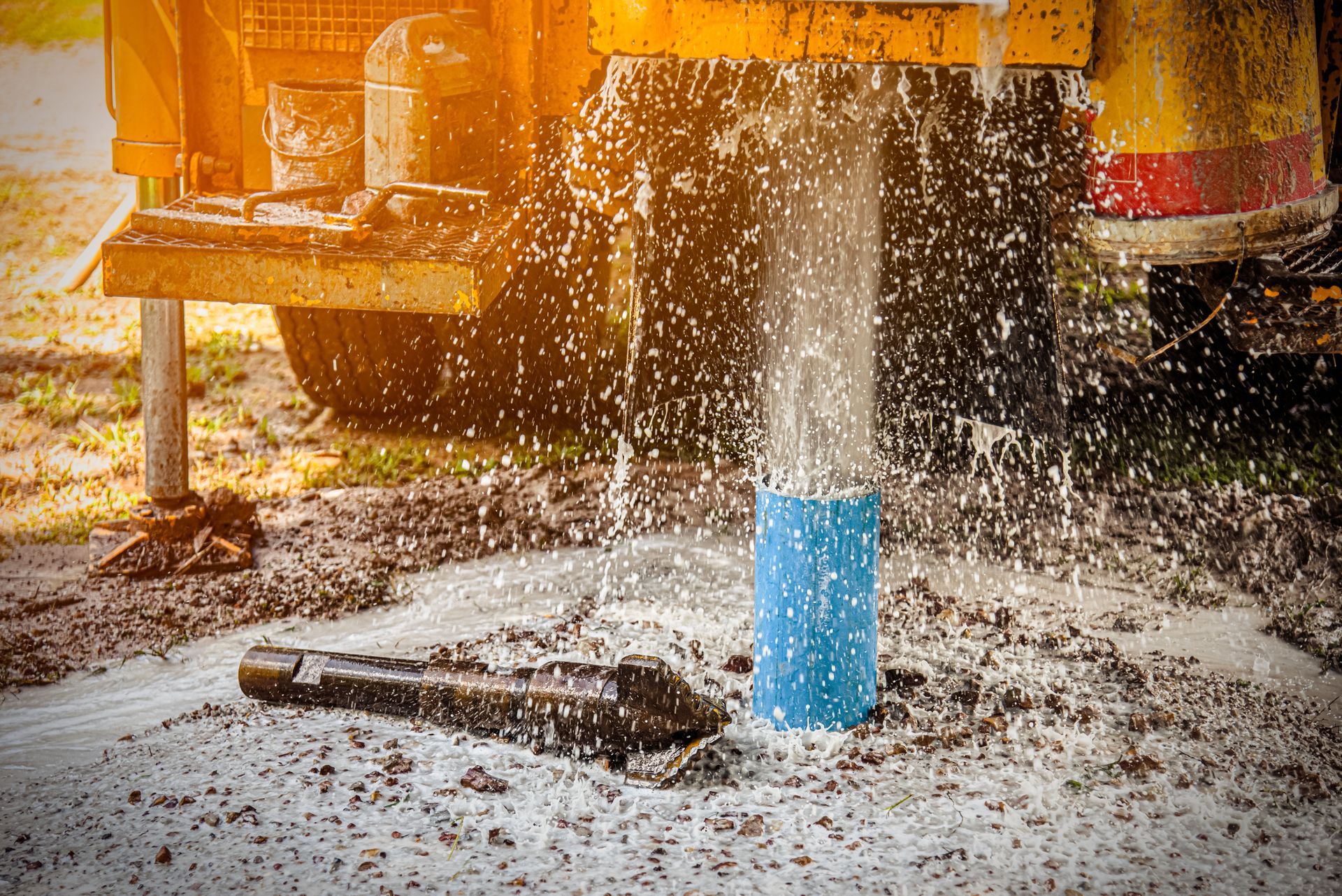
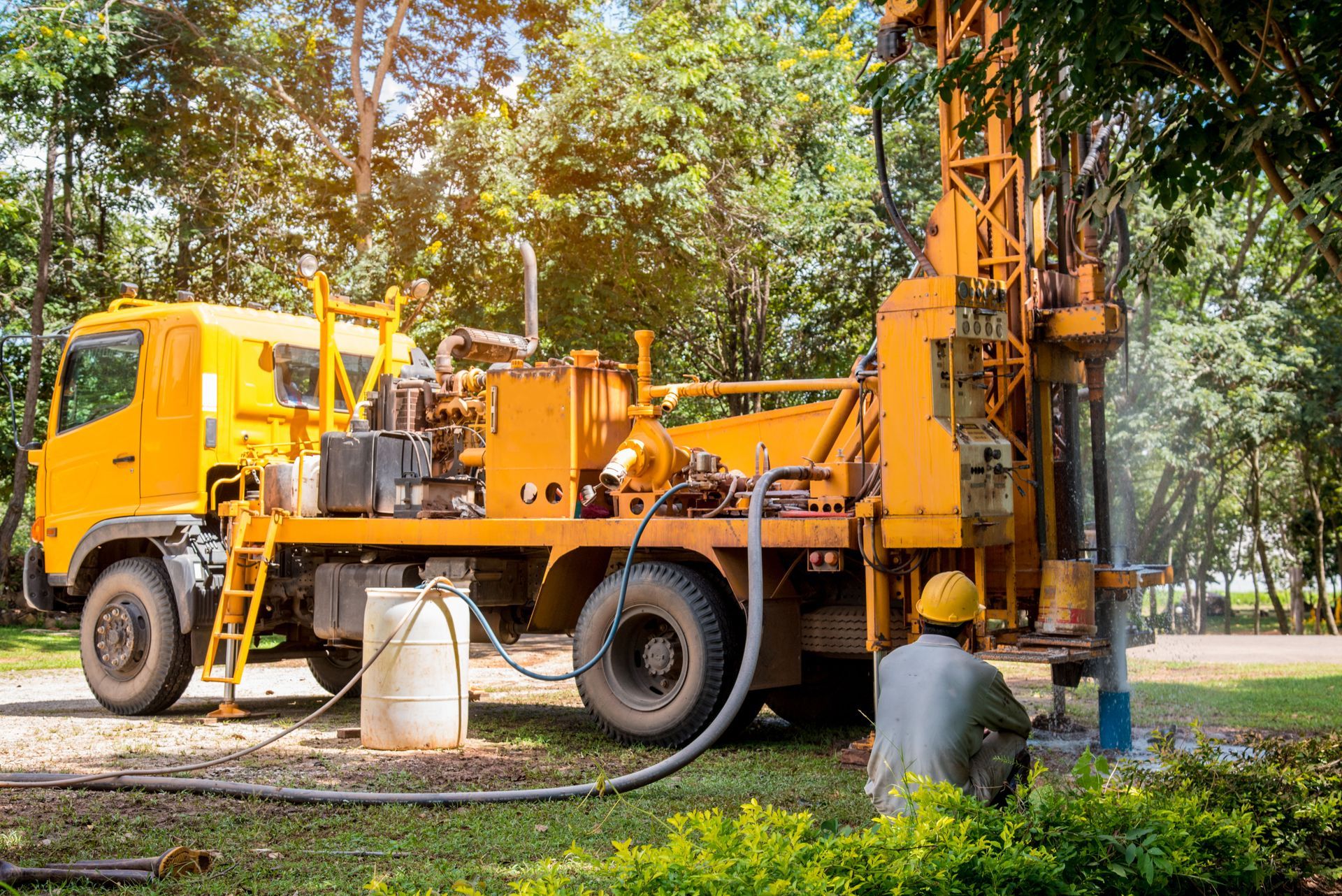
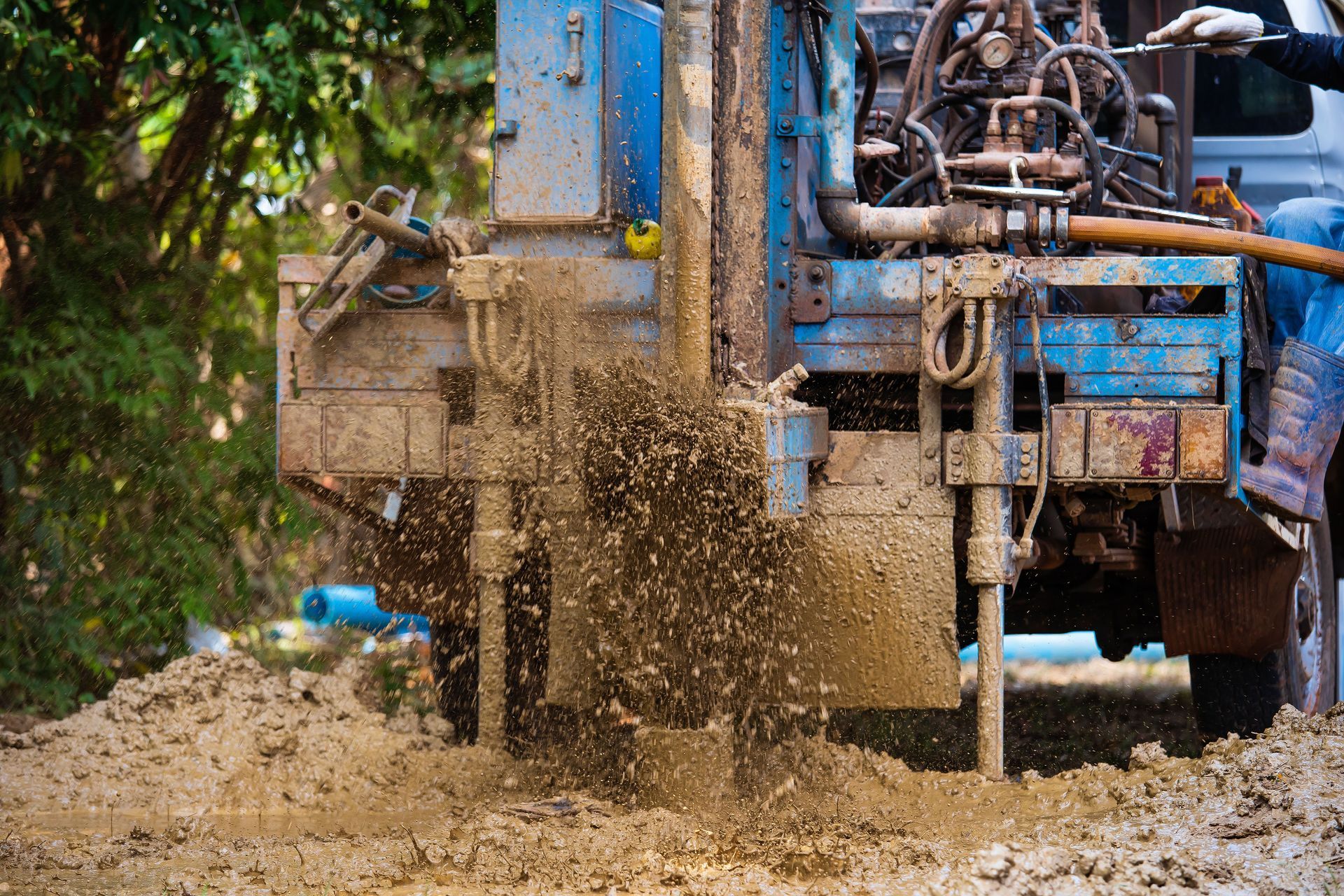
A geotechnical investigation helps identify potential concerns before they affect the construction schedule. Depending on the project, this process may involve drilling, collecting soil samples, conducting field tests, and completing laboratory evaluations. The findings help engineers understand the site's limitations and recommend practical ways to address identified risks.
Early investigation can help project teams prepare for issues such as:
- Soil that requires additional compaction or stabilization.
- Groundwater that may affect excavations or below-grade construction.
- Subsurface conditions that could contribute to settlement.
- Materials that may require specialized handling during site preparation.
Recognizing these challenges early allows developers to plan appropriate corrective measures, coordinate equipment and labor, and reduce the likelihood of unexpected delays. Although investigations require an initial investment, the information they provide can help prevent more expensive problems during construction.
Managing Construction Costs and Schedules
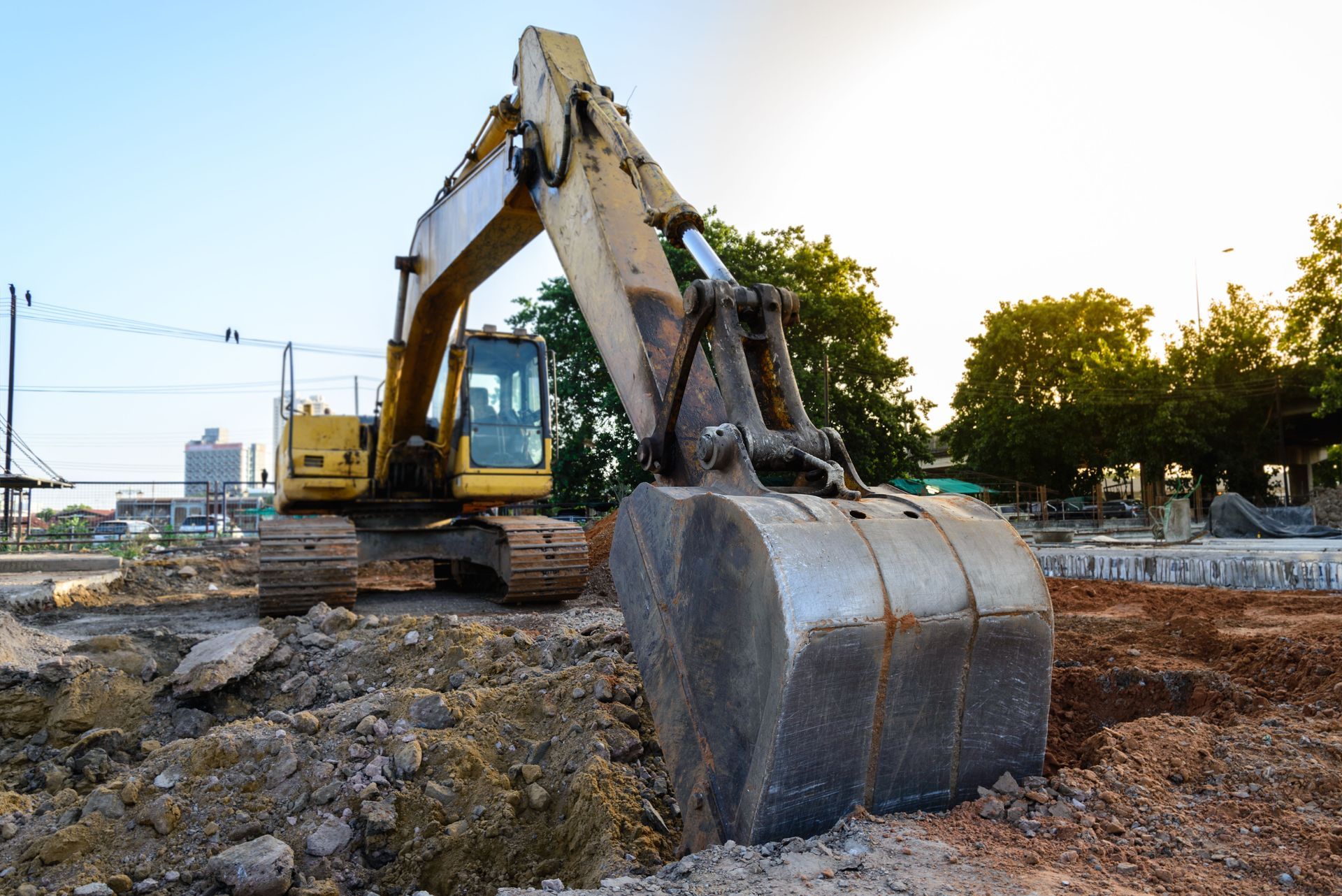
Budget control is a major concern for property owners, developers, and contractors. Unexpected ground conditions can lead to additional excavation, material purchases, design changes, and construction delays. These disruptions may affect several project phases and increase overall expenses.
Geotechnical engineering supports more reliable planning by providing information about the site's condition before major construction activities begin. When engineers understand the ground's characteristics, the project team can make more informed decisions about foundation requirements, site preparation, and construction methods.
According to ConstructConnect, total U.S. construction starts are projected to increase by 0.8% in 2026, supported by continued strength in nonresidential building. With construction activity continuing across major sectors, early site evaluation remains an important step in preparing projects for efficient execution.
Although soil testing cannot eliminate every construction uncertainty, it can reduce the risk of avoidable surprises. Identifying potential issues before work begins also helps project owners develop more realistic budgets, allocate resources appropriately, and coordinate construction schedules with greater confidence.
Evaluating Drainage and Groundwater Conditions
Water can significantly influence soil behavior and construction performance. Excess moisture may weaken certain soils, contribute to erosion, and create difficulties during excavation. Groundwater can also affect foundation construction, retaining structures, and below-grade spaces. Geotechnical engineering helps project teams understand how these conditions may affect site stability and construction requirements.
A site investigation helps determine whether groundwater or soil moisture may affect the proposed development. Depending on the findings, engineers may recommend drainage improvements, groundwater management measures, or adjustments to site preparation and foundation plans. These recommendations can help contractors prepare for water-related challenges before excavation and foundation work begin.
Properly evaluating these conditions is especially important when a project involves basements, deep excavations, or areas with challenging drainage patterns. Addressing water-related concerns during planning can help reduce the potential for settlement, erosion, and moisture-related damage.
In addition, geotechnical engineering can help determine how soil permeability and groundwater conditions influence water movement through a site. This information supports decisions about drainage systems, excavation methods, and foundation protection. By identifying potential concerns early, developers can better coordinate site preparation, manage construction costs, and reduce the risk of delays caused by unexpected water conditions.
Supporting Long-Term Structural Performance
Construction decisions made during the early planning stages can influence a building for decades. When subsurface conditions are not properly understood, problems may emerge long after construction ends. Foundation settlement, cracking, and movement can require extensive investigation and costly repairs.
Geotechnical engineering helps reduce these risks by providing technical information that supports appropriate site preparation and foundation design. The resulting recommendations can guide construction teams in achieving the ground conditions required by the project's specifications.
Geotechnical evaluations can also support infrastructure projects, commercial developments, and other construction work where ground stability is essential. By accounting for site-specific conditions, project teams can make decisions that support structural performance and reduce the likelihood of avoidable maintenance concerns.
Long-term performance also depends on following engineering recommendations throughout construction. Soil conditions observed during excavation may differ from initial expectations, making it important to address unexpected findings before proceeding. Proper compaction, suitable fill materials, and appropriate construction practices can help maintain the stability of the supporting ground. Coordinating geotechnical professionals with contractors and other engineers also helps ensure that site conditions are evaluated when questions arise. This collaboration supports informed decisions, helps prevent recurring structural issues, and protects the investment made in the completed building.
Preparing for Construction With Professional Testing
Before beginning construction, property owners and developers should ensure that the proposed site has been evaluated according to the project's needs. Working with experienced engineering professionals can help clarify soil conditions, identify potential challenges, and determine which testing procedures are appropriate.
Mid-State Engineering & Testing, Inc. provides geotechnical engineering, soil testing, drilling, and construction materials testing services to support construction projects in Nebraska and surrounding states. These services help project teams gather essential site information and evaluate materials to determine whether they meet applicable project requirements.
Investing in a thorough site evaluation can help prevent costly surprises, improve construction planning, and support dependable long-term performance. Contact Mid-State Engineering & Testing, Inc. to discuss your project's site investigation and testing needs and request an estimate.
Share On: