
Why Site Investigations Are Critical Before Construction Begins
Construction projects depend on what happens below the surface just as much as what is built above it. Before excavation, grading, foundation work, or utility installation begins, project teams need a clear understanding of the soil, groundwater, rock, and other subsurface conditions at the site. Without that information, unexpected problems can lead to design changes, delays, additional costs, or even long-term performance issues after construction is complete. Site investigations help reveal these conditions early so engineers, architects, contractors, and owners can make better decisions before work begins. Geotechnical engineering plays an important role in this process by evaluating subsurface materials, identifying potential hazards, and providing recommendations that support safer and more reliable construction.
Evaluating Subsurface Soil Conditions
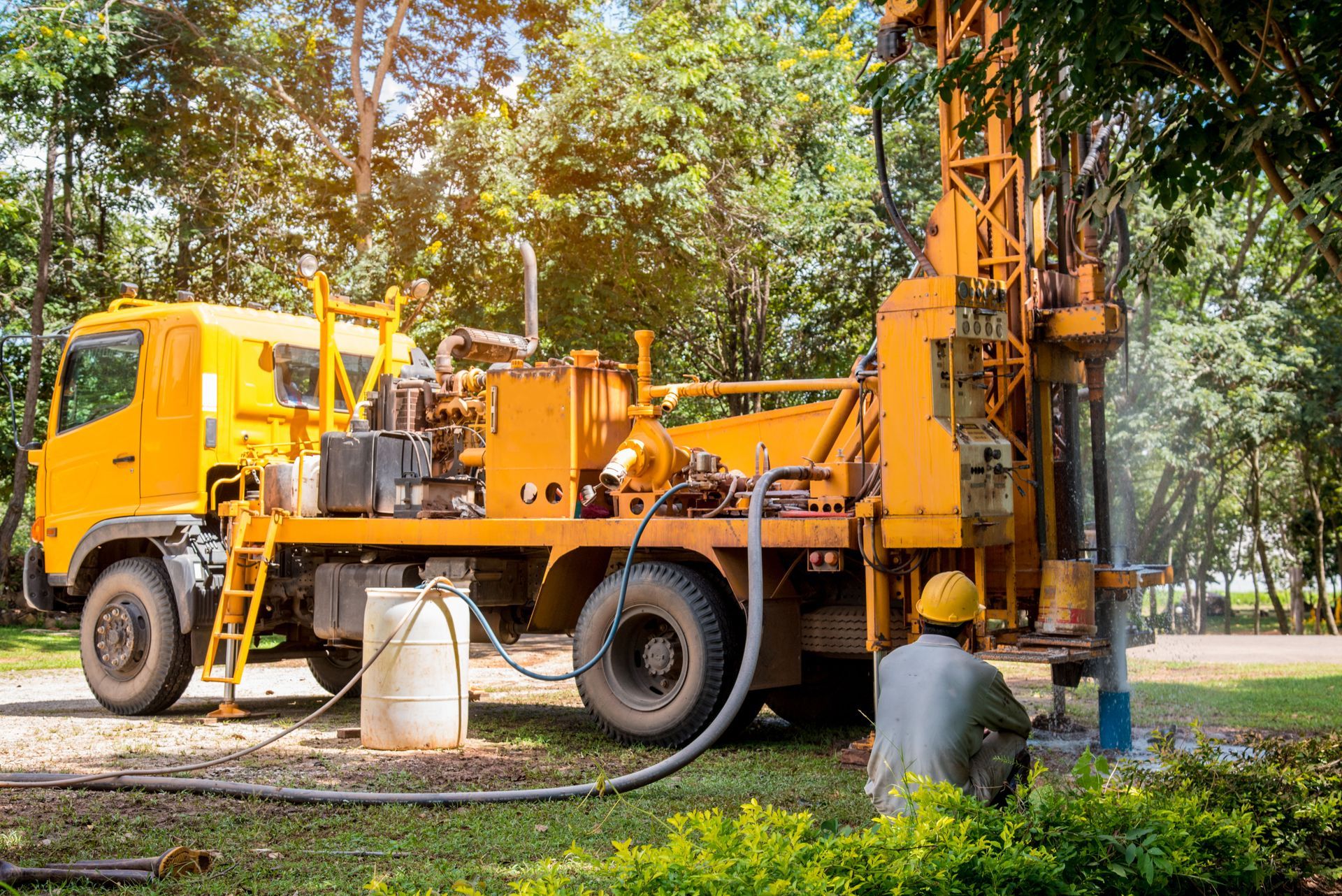
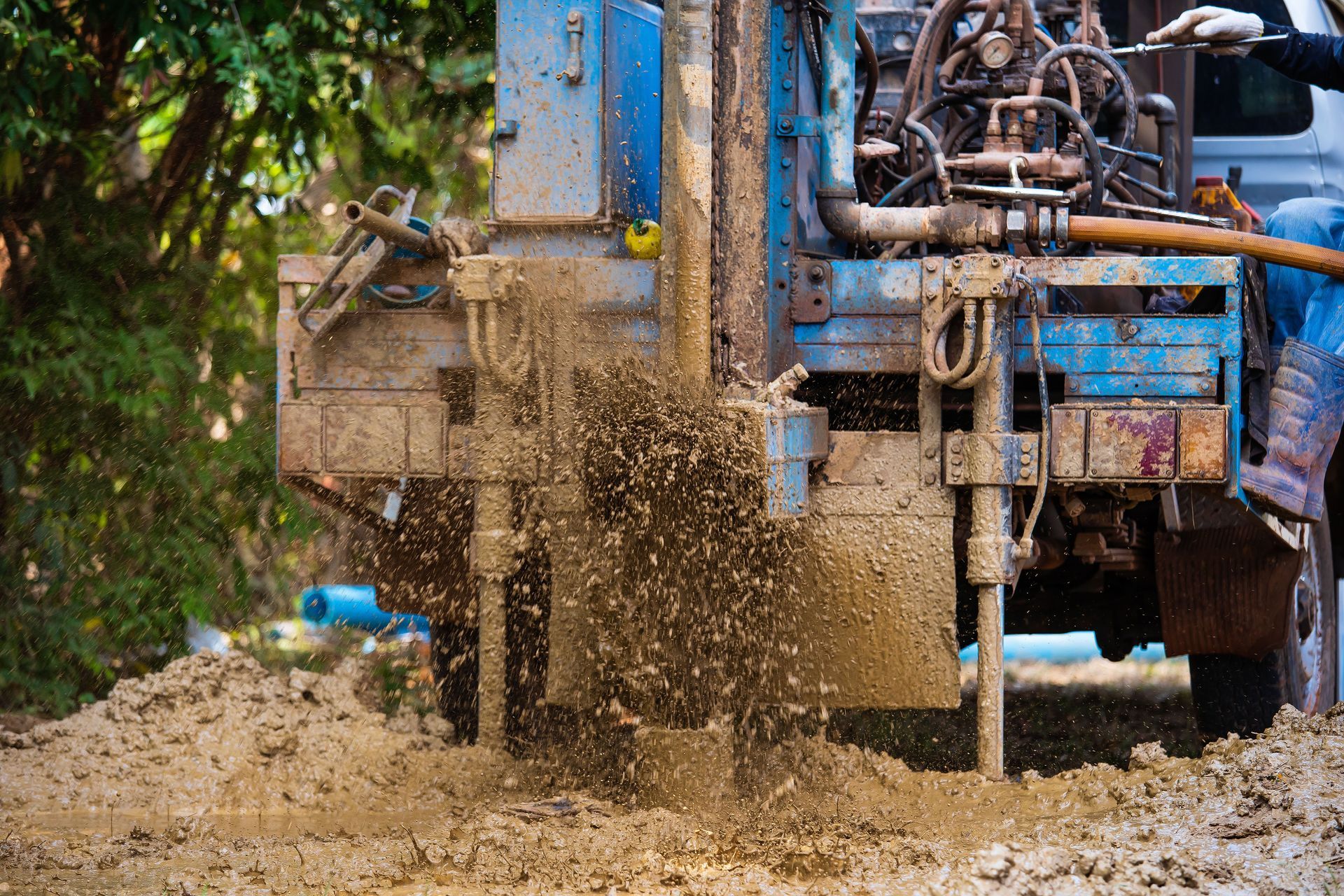
Soil conditions can vary significantly from one property to another, even when two sites are located close together. Some soils provide strong support for structures, while others may compress, expand, shift, or lose strength when exposed to moisture. A site investigation allows professionals to collect soil samples, perform field tests, and evaluate how the material is likely to behave under the weight of a proposed building or other structure. Geotechnical engineering helps translate this information into practical recommendations for foundation design, grading, and site preparation.
Understanding the soil before construction begins can help reduce the risk of settlement, cracking, uneven floors, or structural movement later. If weak or unsuitable materials are discovered, the project team can plan for removal, replacement, compaction, stabilization, or a different foundation system. Making these decisions during design is generally more manageable than discovering the problem after excavation has started. Early soil evaluation also helps contractors estimate the amount of site work that may be required and can make project scheduling more predictable.
Identifying Groundwater and Drainage Conditions
Groundwater can have a major effect on excavation, foundations, retaining walls, pavement, and underground utilities. A high water table may make excavation more difficult, require dewatering, or influence the type of waterproofing and drainage systems used in the design. Water moving through soil can also affect its strength and stability. Through site investigations, geotechnical professionals can evaluate groundwater conditions and determine whether moisture may create challenges during construction or throughout the life of the completed project.
Drainage conditions are equally important because water that collects around foundations or within poorly drained soils can contribute to movement, erosion, or long-term deterioration. Investigations may help identify areas where surface water naturally accumulates or where subsurface drainage should be improved. With this information, engineers can recommend grading, drainage systems, foundation drains, or other measures that direct water away from critical areas. Planning for water management before construction begins can help prevent expensive changes once the site is already under development.
Assessing Foundation Support Requirements
The type of foundation a project needs depends heavily on the materials beneath the site. Shallow foundations may work well where strong, stable soils are located near the surface, while deeper systems may be required when weak or compressible layers are present. Site investigations provide data about soil strength, density, depth, and variability so engineers can determine how loads should be transferred into the ground. Geotechnical engineering gives design teams the information needed to select a foundation approach that matches actual site conditions.
Without this evaluation, a foundation could be designed based on assumptions that do not reflect what is underground. That can increase the risk of excessive settlement or uneven movement once the structure is loaded. Site-specific recommendations can also help determine footing dimensions, allowable bearing pressures, slab support requirements, and excavation depths. By establishing these details before construction starts, the project team can coordinate structural design more effectively and reduce the likelihood of major foundation revisions in the field.
Detecting Potential Construction Hazards
Site investigations can uncover conditions that may create safety or performance concerns during construction. Loose fill, buried debris, expansive soils, soft layers, shallow rock, unstable slopes, or previously disturbed ground can all affect the way a site should be developed. In some locations, subsurface conditions may also complicate excavation or equipment access. Engineers can identify these risks early and provide recommendations for managing them before workers and heavy machinery begin operating on the site.
Early identification gives contractors time to prepare appropriate equipment, excavation methods, shoring systems, or stabilization measures. It can also reduce the chance that crews will encounter unexpected conditions that force work to stop while a new plan is developed. Construction hazards are easier to manage when they are part of the original design and schedule rather than a surprise discovered after mobilization. A thorough investigation, therefore, supports both project safety and more efficient coordination among the professionals involved.
Planning Earthwork and Site Preparation
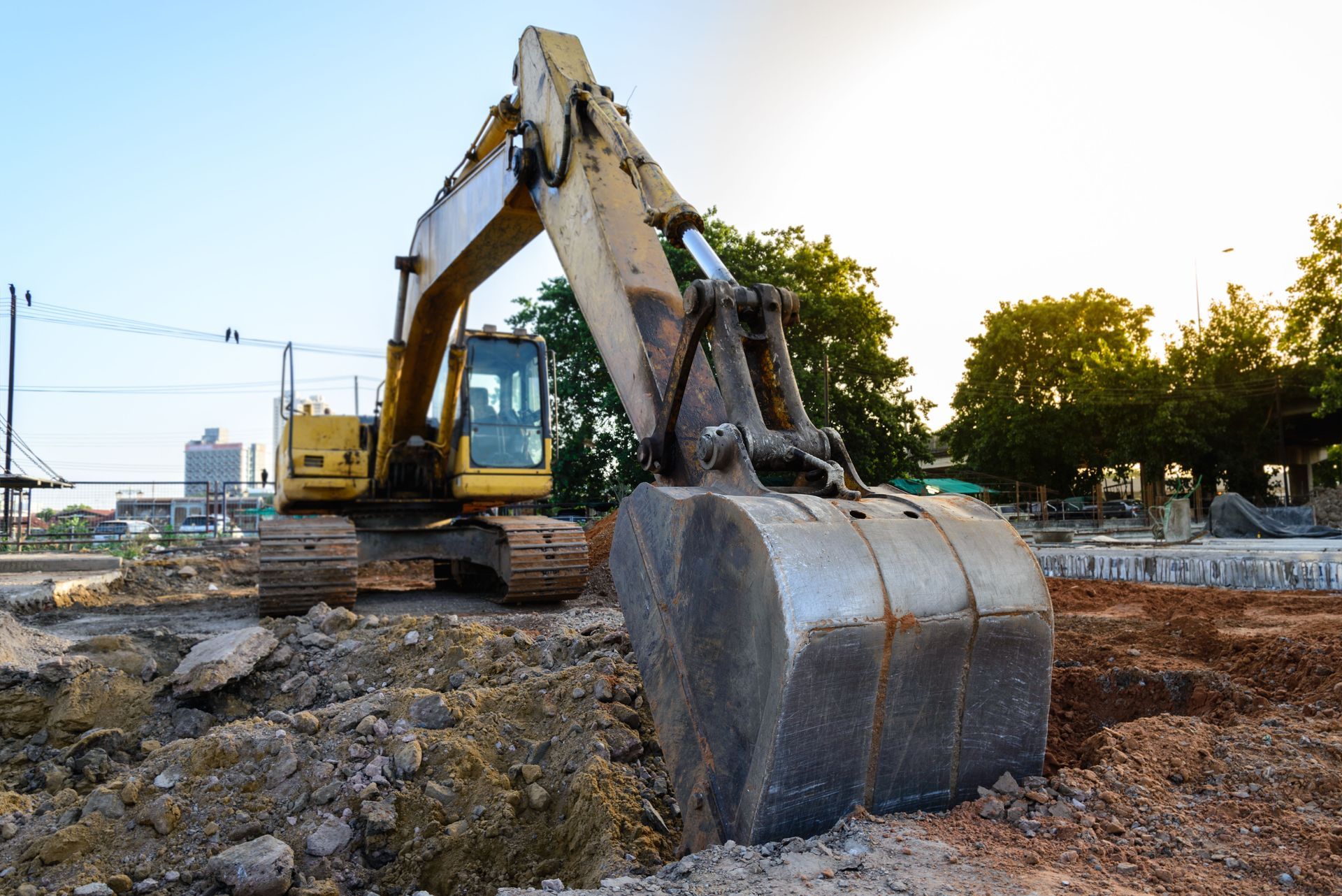
Most construction sites require some combination of clearing, excavation, filling, grading, and compaction before structural work can begin. The success of these activities depends on understanding which soils can remain in place, which materials may be reused as fill, and how moisture and compaction should be controlled. Geotechnical engineering can provide guidance on acceptable fill materials, lift thicknesses, compaction requirements, and testing procedures that help create a stable building platform.
Proper earthwork planning can also help control costs. If unsuitable material must be removed, the project team can account for hauling and replacement before construction begins. If existing soils can be reused, contractors can plan how they will be processed and compacted. This information makes bidding more accurate and reduces uncertainty during site development. It also helps establish quality-control procedures so the completed subgrade is prepared to support foundations, slabs, pavements, and other project components.
Supporting Pavement and Utility Design
Site investigations are not limited to building foundations. Roads, parking lots, sidewalks, utility trenches, and other site features also depend on suitable subsurface support. Weak soils beneath pavement can contribute to rutting, cracking, or premature deterioration, while poor trench conditions can affect utility installation and backfill performance. Geotechnical engineering can evaluate subgrade strength and provide recommendations for pavement sections, base materials, compaction, and trench preparation.
Utility planning can benefit from knowing whether excavation will encounter soft soil, rock, groundwater, or unstable materials. These conditions may influence trench depths, bedding requirements, dewatering needs, and construction methods. Incorporating subsurface information into the design allows civil engineers and contractors to anticipate these challenges instead of reacting to them during installation. Better preparation can help reduce delays and support longer-lasting performance for both paved surfaces and underground infrastructure.
Reducing Project Risk and Uncertainty
One of the greatest benefits of a site investigation is that it replaces assumptions with project-specific information. Every unknown condition creates a degree of risk for owners, designers, and contractors. According to Zippia, more than 5,213 geotechnical engineers are currently working throughout the United States. Their work supports projects by helping teams understand the ground conditions that can influence design, construction methods, budgets, and long-term performance.
Geotechnical engineering can help reduce uncertainty by identifying likely challenges before contracts are finalized and construction activities are underway. While no investigation can predict every condition with absolute certainty, collecting and evaluating subsurface data gives the project team a much stronger basis for planning. This can support more accurate estimates, better coordination, and fewer unexpected changes. Addressing potential concerns early also gives owners more options for comparing solutions and selecting an approach that fits the goals and limitations of the project.
Site investigations provide essential information about the ground conditions that will support a construction project for years to come. By evaluating soils, groundwater, foundation requirements, potential hazards, earthwork needs, pavements, and utilities, project teams can make informed decisions before major work begins. Early investigation can reduce uncertainty, improve design coordination, and help prevent costly surprises during construction. A well-planned geotechnical engineering investigation gives owners and design professionals a clearer understanding of the site and the steps needed to prepare it properly. For professional site investigation, testing, and engineering support, contact Mid-State Engineering & Testing, Inc.
Share On: