
Common Foundation Problems Geotechnical Engineers Help Prevent
Foundation problems often develop quietly as soil conditions, groundwater, construction loads, and site preparation interact beneath a building. Because every property has a unique subsurface profile, a design that works in one location may not suit another. Geotechnical engineers study these hidden conditions before and during construction so architects, contractors, and property owners can make informed decisions. By identifying risks early, they help reduce repairs, delays, safety concerns, and long-term performance issues while connecting structural plans with actual ground behavior.
Identifying Weak or Compressible Soils
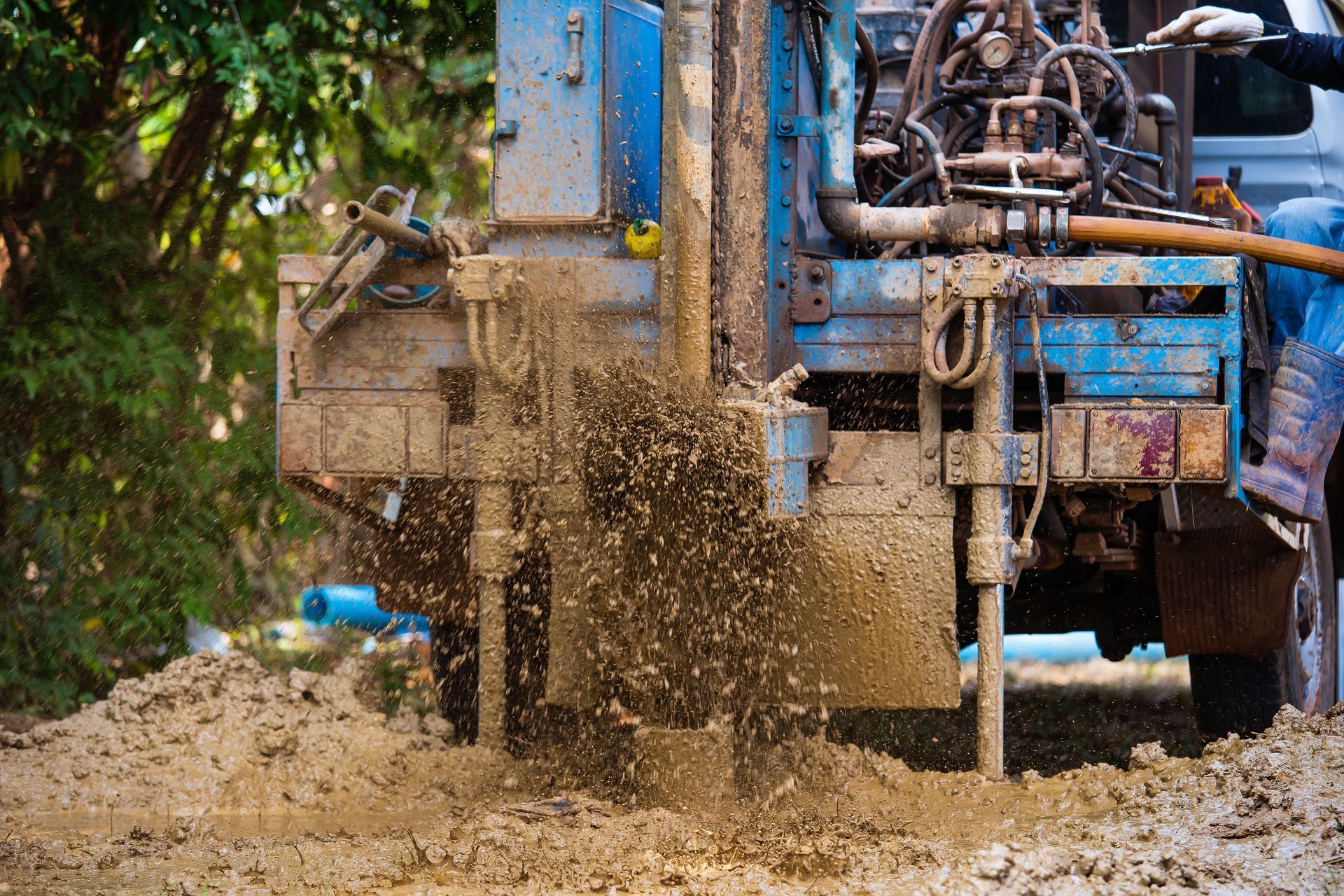
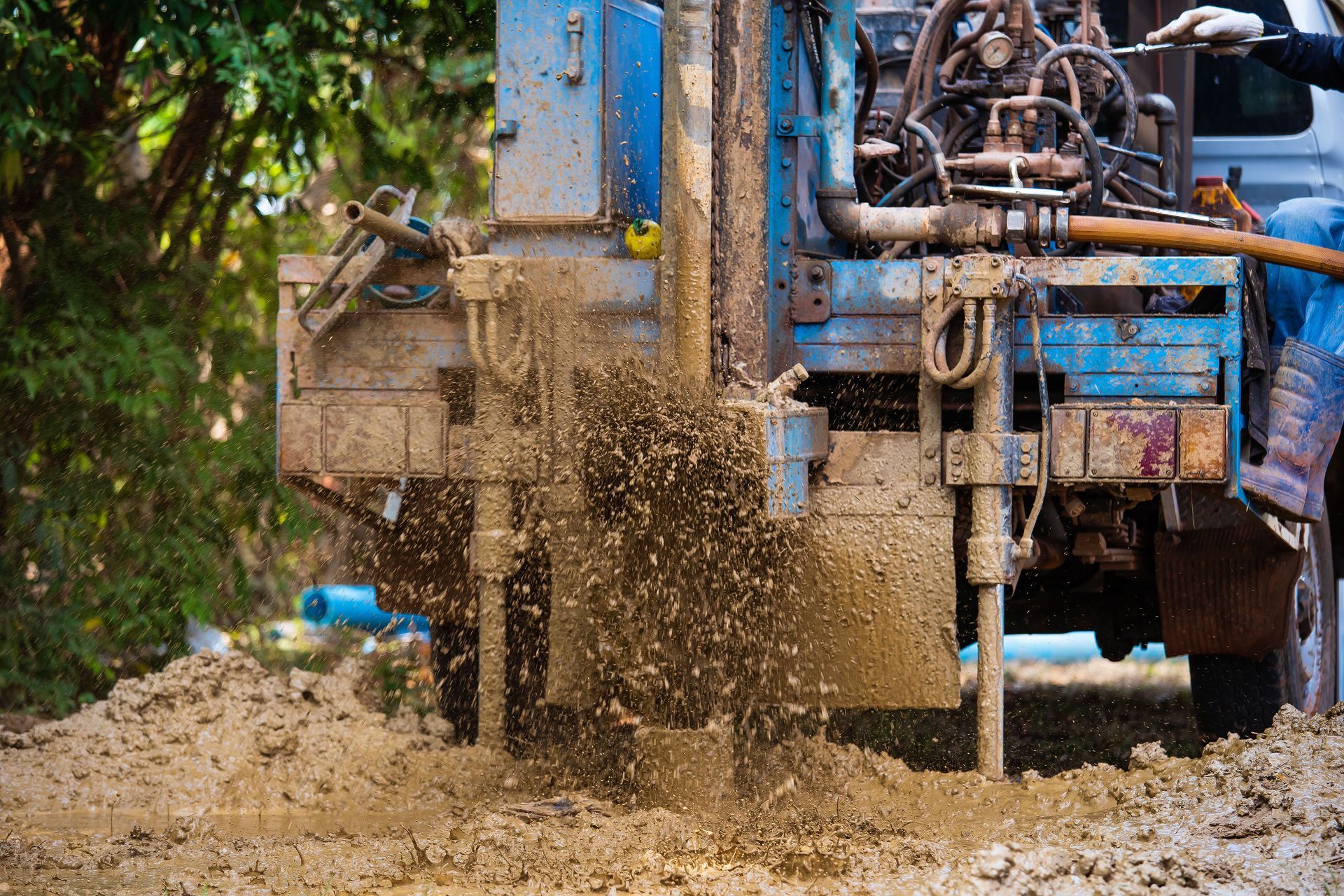
Weak or compressible soils can settle when they are subjected to the weight of a building, pavement system, retaining wall, or other improvement. Clay, loose fill, organic material, and poorly compacted soil may not provide reliable support without treatment or a specialized foundation design. Through drilling, sampling, laboratory testing, and field observations, engineers determine how much load the soil can carry and how it may change over time. Geotechnical engineering services help project teams understand whether shallow footings are suitable or whether deeper support, soil replacement, compaction, or stabilization may be necessary.
Early identification of weak soil also helps prevent uneven settlement, which can be more damaging than uniform movement. When one section of a structure settles more than another, floors may slope, doors and windows may stick, and cracks may develop in walls, slabs, and masonry. Engineers compare soil conditions across the site to locate variations that could create differential movement. Their recommendations may include improving subgrade materials, adjusting footing depths, using reinforced slabs, or selecting deep foundations that transfer loads to stronger layers below.
Evaluating Expansive Soil Movement
Expansive soils contain minerals that swell when they absorb water and shrink when they dry. This repeated movement can place significant pressure on foundations, slabs, sidewalks, and underground utilities. Homes and commercial buildings constructed on expansive clay may experience heaving, cracking, or shifting as seasonal moisture levels change. Engineers evaluate the soil’s plasticity, moisture content, density, and expansion potential to estimate how strongly it may react. Geotechnical engineering services can then guide moisture control strategies and foundation systems designed to accommodate or resist this movement.
Recommendations for expansive soil may include deeper foundations, void spaces beneath grade beams, moisture barriers, improved drainage, or careful control of landscaping near the building. Engineers may also recommend removing and replacing highly active soil or treating it with lime or another stabilizing material. These measures are most effective before construction begins. Later repairs may require underpinning, slab replacement, drainage corrections, or interior restoration.
Assessing Poorly Compacted Fill
Many construction sites contain fill placed during previous grading, demolition, utility work, or land development. If that fill was not installed in controlled layers and compacted properly, it may contain loose pockets, debris, organic matter, or inconsistent materials. These conditions can lead to settlement after construction, especially when the soil becomes wet or carries new loads. Engineers review site history, perform test borings, and evaluate density to determine whether existing fill can remain. Geotechnical engineering services also provide compaction criteria that contractors can follow during new earthwork.
Construction testing is important because even a sound design can be undermined by poor field execution. Technicians may test each lift of fill to confirm that it meets the specified moisture and density requirements. When results fall below the project standard, the contractor can rework the material before additional soil or structural components are placed. This process prevents hidden deficiencies and documents that site preparation followed the engineer’s recommendations and project specifications.
Managing Groundwater and Drainage Risks
Groundwater can reduce soil strength, increase hydrostatic pressure, erode supporting materials, and contribute to settlement or heaving. A high water table may also complicate excavation and create seepage around basements, elevator pits, retaining walls, and below-grade utilities. Engineers evaluate groundwater conditions during field exploration and consider how seasonal changes or nearby development could affect the site. Geotechnical engineering services may recommend underdrains, sump systems, waterproofing, drainage layers, or foundation elevations that reduce exposure to persistent water.
Surface drainage is equally important because roof runoff, paved areas, and poorly graded soil can direct water toward the foundation. Repeated saturation may soften supporting soils or worsen the movement of expansive clay. Engineers often coordinate with civil designers to ensure that finished grades, stormwater systems, and drainage features move water away from the structure. On sloped sites, they may also assess erosion and seepage risks. Effective water management protects both the foundation and the surrounding soil conditions that keep it stable.
Preventing Bearing Capacity Failures
Bearing capacity describes the amount of pressure soil can support without failing or experiencing excessive deformation. If a footing is too small, too shallow, or placed on unsuitable material, the soil beneath it may shear or compress under the building load. This can result in sudden or progressive settlement, structural cracking, and loss of serviceability. Engineers calculate allowable bearing pressures using field and laboratory data, anticipated loads, groundwater conditions, and appropriate safety factors. Geotechnical engineering services provide design values that structural engineers use to size foundations responsibly.
These evaluations are especially important for heavy buildings, equipment pads, tanks, and concentrated column loads. Engineers may recommend spread footings, mats, drilled piers, driven piles, or other systems depending on the soil profile and project demands. They also consider how adjacent foundations, excavations, or future construction could influence performance. Matching the foundation type to the site reduces the risk of overstressing the soil and helps the structure remain stable throughout its intended service life.
Reducing Frost-Related Foundation Damage
In cold climates, water in the soil can freeze and expand, lifting foundations, slabs, pavements, and exterior flatwork. This process, known as frost heave, is most likely when frost-susceptible soil, freezing temperatures, and an available water supply occur together. Repeated freezing and thawing can produce uneven movement and settlement voids. Engineers evaluate local frost depth, soil type, drainage, and exposure conditions. Geotechnical engineering services help determine appropriate footing depths and recommend materials that reduce frost susceptibility.
Prevention measures may include placing footings below the expected frost line, using non-frost-susceptible granular fill, improving drainage, or insulating shallow foundation systems. Heated buildings, unheated additions, entrance slabs, and exterior walls may require different approaches because their temperature conditions vary. Engineers account for these differences so vulnerable components are not overlooked. Proper planning is particularly valuable for sidewalks, loading areas, and utility structures, where frost movement can create trip hazards, drainage problems, or damage at connections.
Addressing Slope and Excavation Instability
Foundations near hillsides, embankments, retaining walls, or deep excavations may be affected by soil movement beyond the footprint of the building. A slope can fail when its driving forces exceed the strength of the soil, especially after heavy rain, erosion, excavation, or added loading. Engineers analyze slope geometry, soil layers, groundwater, and proposed construction activities to estimate stability. Geotechnical engineering services may recommend setbacks, retaining systems, drainage improvements, soil reinforcement, or changes to grading plans.
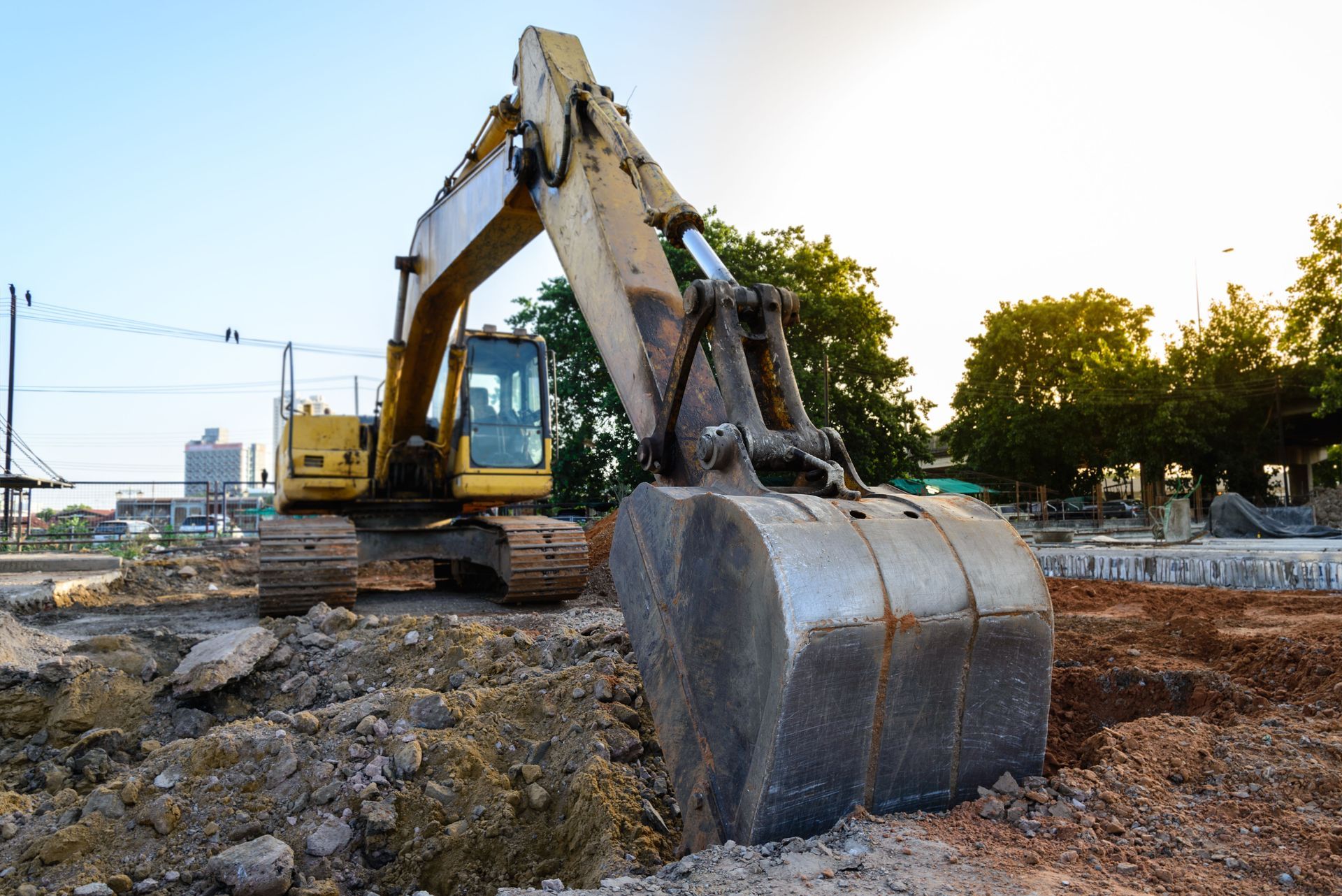
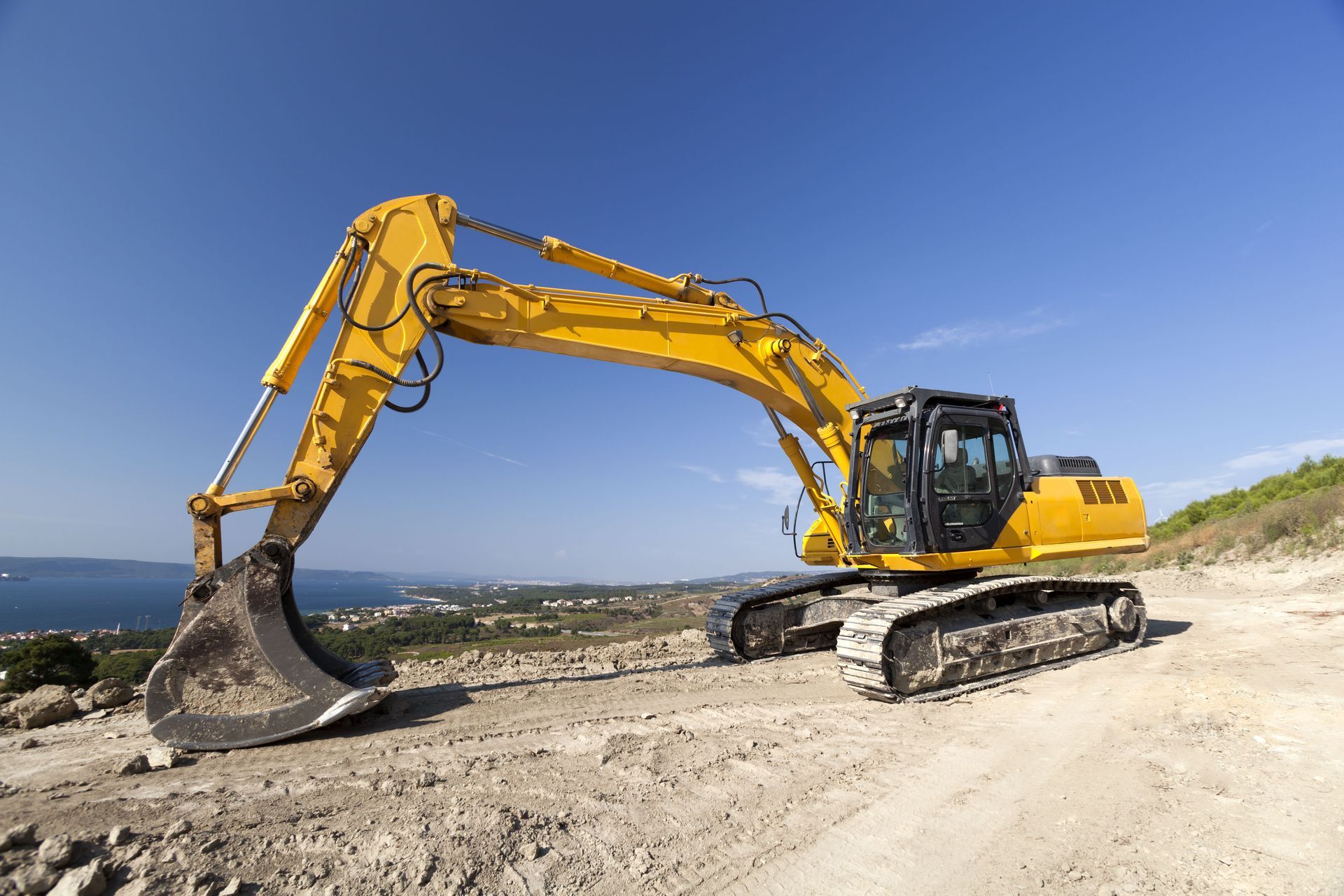
Excavations can also disturb nearby foundations by removing lateral support or allowing soil to move into the open cut. This risk is common in dense development where new basements, utilities, or parking structures are constructed close to existing properties. Engineers may design temporary shoring, underpinning, tiebacks, or staged excavation procedures to control movement. Monitoring points can be installed to track settlement or lateral displacement during construction. These precautions protect workers, neighboring structures, and the new foundation.
Foundation performance depends on far more than the strength of concrete or the size of structural members. According to Mordor Intelligence, construction and infrastructure accounted for 24.05% of the U.S. engineering services market in 2025. Soil composition, moisture, compaction, groundwater, frost, slopes, and construction practices all influence how a building interacts with the ground. By investigating these factors early, geotechnical engineers help prevent settlement, heaving, bearing failures, water damage, and instability. Professional geotechnical engineering services provide the site analysis and recommendations needed to support long-term structural performance and reduce costly future repairs. Their recommendations allow project teams to select practical solutions before hidden conditions become expensive problems. For professional support with site investigations, testing, foundation recommendations, and construction observation, contact Mid-State Engineering & Testing, Inc.
Share On: